
Intelligent Automatic Rescue Device
When power fails, the Fuji Plus ARD takes control — safely moving the elevator to the nearest floor, preventing passenger entrapment, and logging every successful rescue with built-in intelligence that most competitors simply can't match.
What is the Fuji Plus ARD?
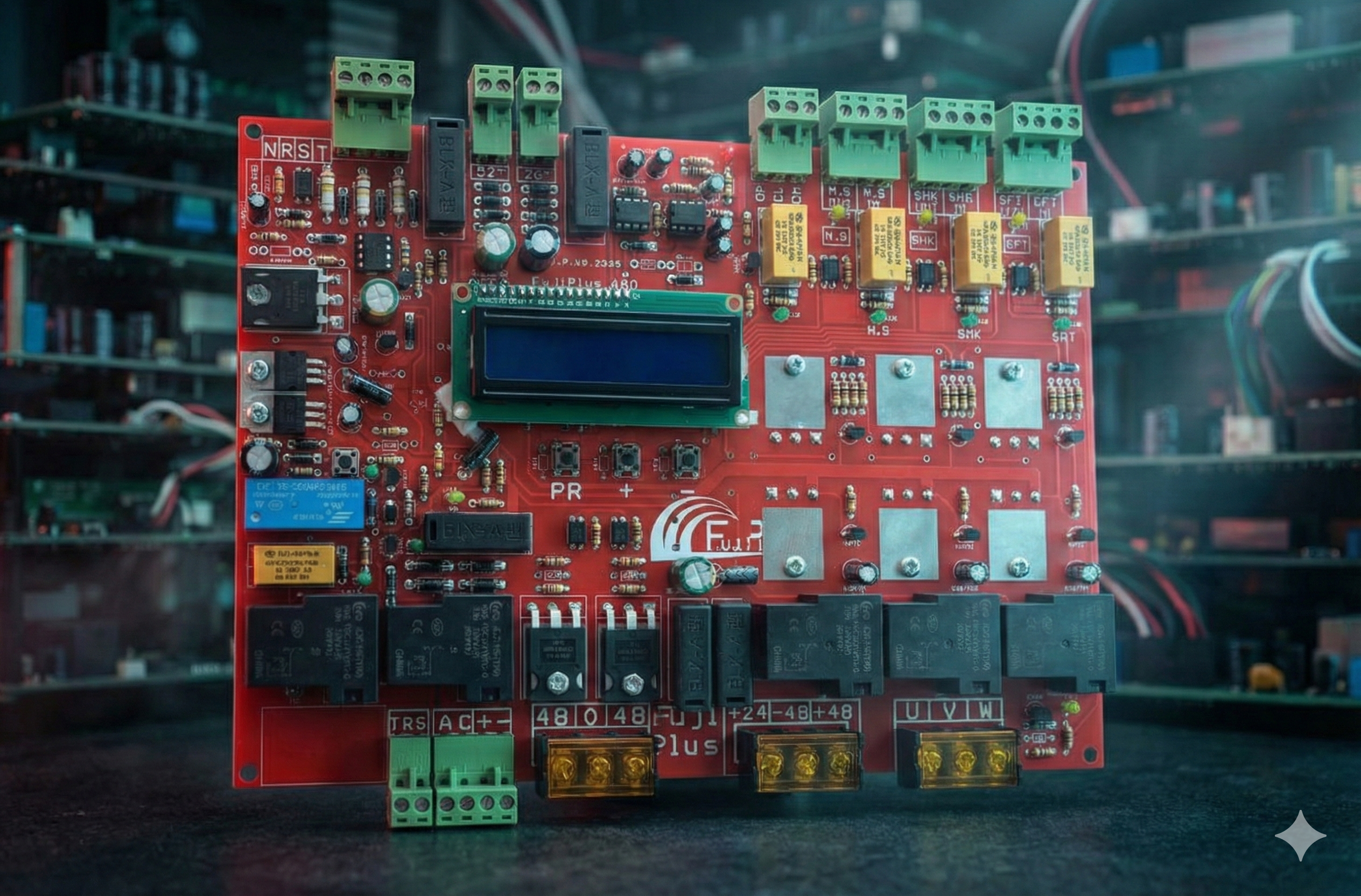
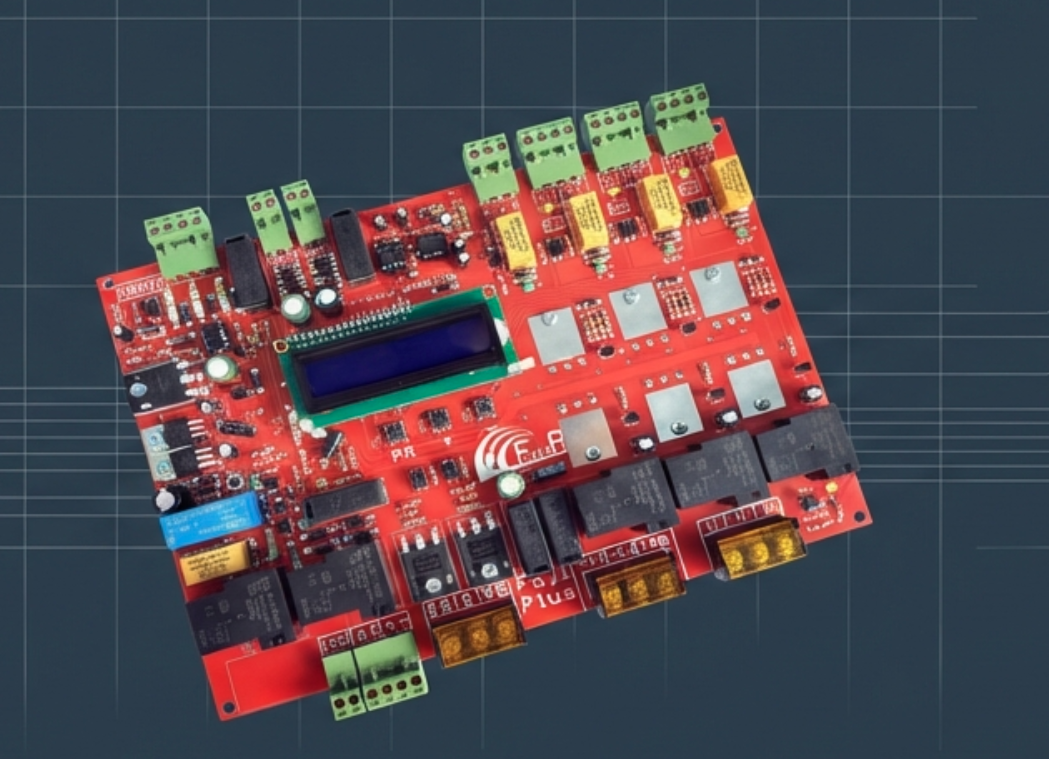
The Fuji Plus ARD (Automatic Rescue Device) Digital Emergency Card is an intelligent emergency-rescue controller designed for elevators. Its primary mission: when power fails — or even when a single phase drops — the ARD takes complete control of the elevator, safely moves the car to the nearest floor, stops, and allows door operation according to your configured system.
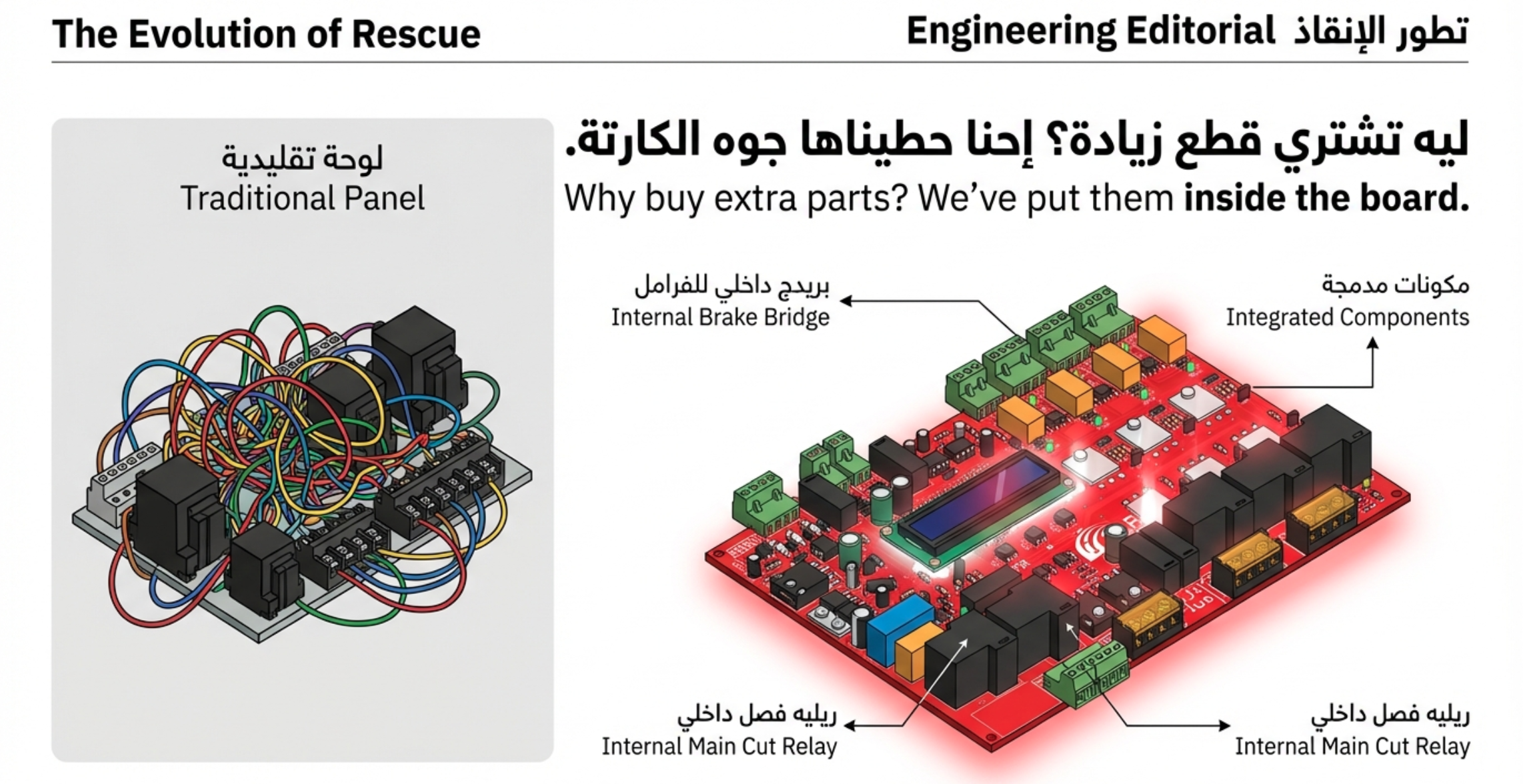
What makes it different? Fuji Plus engineered this card to be a complete, self-contained rescue solution. Internal brake bridge, internal main cut-off relay, smart direction selection, battery protection, single-phase drop detection, and a successful trip counter — all built into one board. No external bridge. No external relay. Less wiring. Fewer failure points. Lower cost.
From 8 HP to 20 HP machines, on 220V or 380V systems, with 3 or 4 batteries — the Fuji Plus ARD adapts to your installation. It's not just an emergency backup. It's a complete rescue management system.
Quick Specifications
Core Features
12 features built into a single board — each one designed to save time, reduce cost, and protect lives
Single-Phase Drop Detection
Detects when even one phase fails — not just full blackouts. Most competitors only react when all three phases disappear. Fuji Plus detects, isolates, and rescues even on a single-phase drop.
Smart Direction Selection
Before rescue, the ARD tests both directions, measures current draw in each, and automatically selects the direction with lower power consumption — maximizing battery life and rescue success rate.
Built-In Bridge & Relay
Internal 30A brake bridge and main controller cut-off relay built right into the board. No external bridge, no external relay needed — saves cost, reduces wiring, and eliminates failure points.
Live Diagnostics Display
Integrated LCD screen showing real-time battery voltage, current draw (amperes), operational status, and detailed fault messages. Every state is visible — no guesswork.
Successful Trip Counter
Records every successful rescue trip in memory. Proves the system actually worked during outages — eliminates false warranty claims and gives technicians solid proof for clients.
Multi-Layer Protection
Overcurrent protection, minimum voltage cutoff, safety circuit monitoring, fork & stop verification, and motor presence verification — all checked before and during every rescue.
Parallel Wiring Design
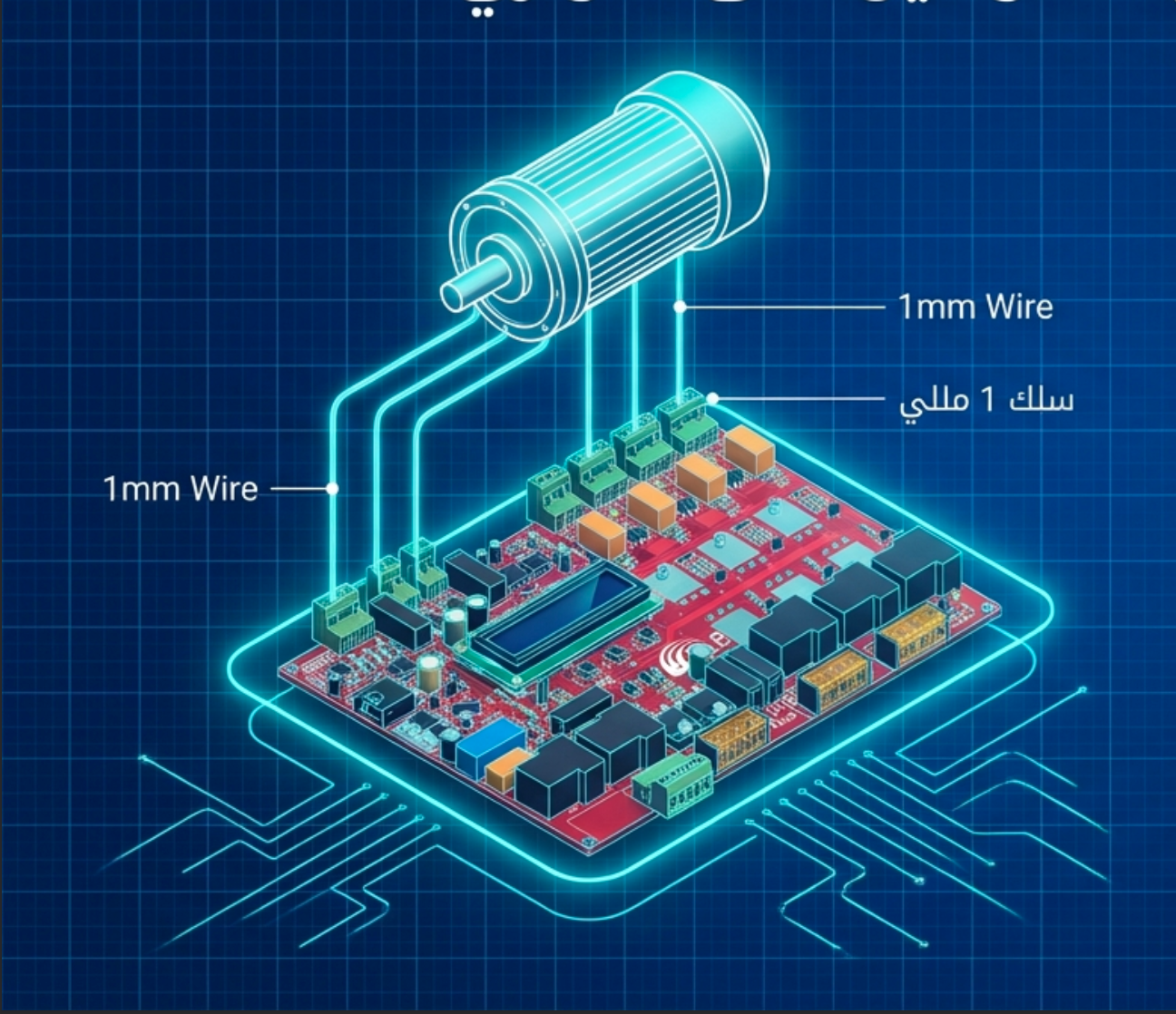
Phase wiring in parallel with the main controller using just 1mm wire. Motor terminals in parallel using 4mm wire. Simpler, cheaper, and fewer connection points.
Battery Under-Voltage Protection
Configurable minimum voltage threshold. If batteries are below this level, rescue will not start — protecting batteries from deep discharge, damage, and shortened lifetime.
Motor Presence Verification
Before releasing brakes, the ARD verifies the motor is actually connected. If motor terminals are lost, the card stops — protecting brakes, components, and passenger safety.
Integrated Charging Circuit
Built-in battery charging circuit with automatic voltage cut-off. Keeps batteries optimally charged and ready for emergency at all times — no external charger needed.
Compact Board Design
Just 18 × 24 cm — doesn't dominate the control panel. Leaves room for clean wiring layout and easy maintenance access.
Universal Door Support
Compatible with all door types: 220V automatic, 380V automatic, and manual doors. Flexible configuration for any installation scenario.
What Sets Us Apart
Features that no competitor offers in a single board
Fuji Plus ARD
Typical Competitors
How It Works
The intelligent 6-step rescue sequence
Power Failure Detected
The ARD instantly detects power loss or even a single-phase drop and activates the internal relay to isolate the main controller — becoming the sole controller.
Motor Presence Check
Before anything dangerous happens, the card verifies the motor is physically connected. If terminals are lost, the brake stays engaged and the card stops safely.
Brake Release
Using the internal brake bridge, the ARD safely releases the elevator brake — no external bridge required.
Smart Direction Test
The ARD briefly runs the motor in both directions, measures current drawn in each, and selects the direction with lower power consumption.
Rescue Movement
The elevator moves toward the nearest floor while the ARD monitors all safety circuits: fork, stop, level. If any safety condition fails, it stops and displays the reason.
Arrival & Logging
The elevator stops at the nearest floor. Door operation activates per configuration. The successful rescue is logged in the trip counter and displayed on the LCD.
Smart Protection System
Three critical checks before any movement begins
Under Volt
Verifies battery voltage meets the minimum threshold. Protects batteries from deep discharge damage.
Phase Detection
Detects phase loss — including single-phase drops. Immediately disconnects the main controller.
Motor Check
Confirms motor is properly connected before releasing brakes. Prevents unsafe operation.
Connection Guide
Clean, simple connections designed to reduce complexity and cost
Phase Connections
Motor Connections
Brake Connection
Battery System
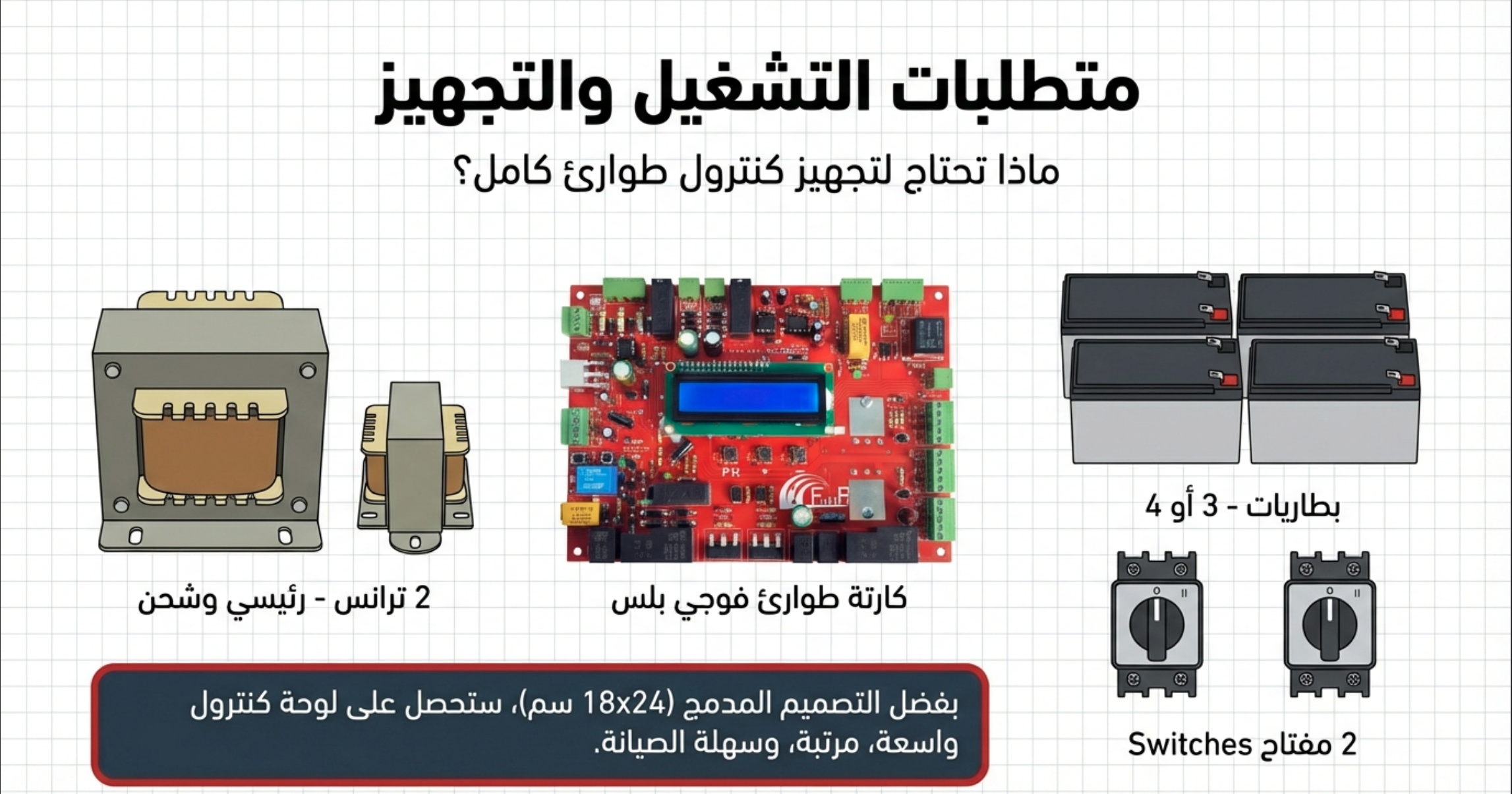
4 Batteries — 48-0-48 transformer — 20A switch on +48 — 6A switch on +24 3 Batteries — 30-0-30 transformer — 20A switch on +48 — 6A switch on +24
Safety Circuits
Door Control
220V — Relay-based from emergency circuit 380V — 10µF capacitor + 9A contactor
All connections are parallel with the main controller. Phases with 1mm wire, motor with 4mm wire. Simple installation, lower cost, and fewer failure points than any competitor.
Programming Guide
9 configurable parameters for precise site-specific control
How to Enter Programming
Press and hold PR button for 3 seconds
Enter password: 0000
Navigate steps with + / − buttons
Press PR to modify and save
Hold PR to exit programming
Max Current Limit
Overcurrent ProtectionSet the maximum current threshold. If exceeded during rescue, the card stops to prevent motor damage and overheating.
Min Battery Voltage
Battery ProtectionSet minimum battery voltage for rescue. If below threshold, rescue won't start — protecting batteries from deep discharge.
Max Rescue Time
Safety TimeoutMaximum time (minutes) to reach the nearest floor. Safety timeout prevents infinite operation in fault conditions.
Door Open Duration
Evacuation TimeHow long the automatic door stays open after arriving at the rescue floor. Gives passengers time to safely exit.
Post-Rescue Standby
Controlled ShutdownTime the card remains active after completing rescue. Ensures the full process completes before system shutdown.
Voltage Check Toggle
Configurable SafetyEnable or disable battery voltage check. When on, the card validates battery health before allowing rescue operation.
Output Power
Power OptimizationConfigure the power output value matched to the operating frequency. Reduces current consumption during rescue for battery efficiency.
Motor Check Toggle
Motor SafetyEnable or disable motor terminal verification before brake release. Confirms motor connection to prevent unsafe brake operation.
Output Frequency
Speed/Torque TuningSet the output frequency. Higher = faster speed, lower torque. Lower = slower speed, higher torque. Tune to match your machine.
Panel Requirements
Everything you need — and what Fuji Plus saves you
Required Components
What Fuji Plus Eliminates
Ready to Upgrade Your Emergency System?
Join thousands of elevator professionals who trust Fuji Plus for safety-critical rescue operations.